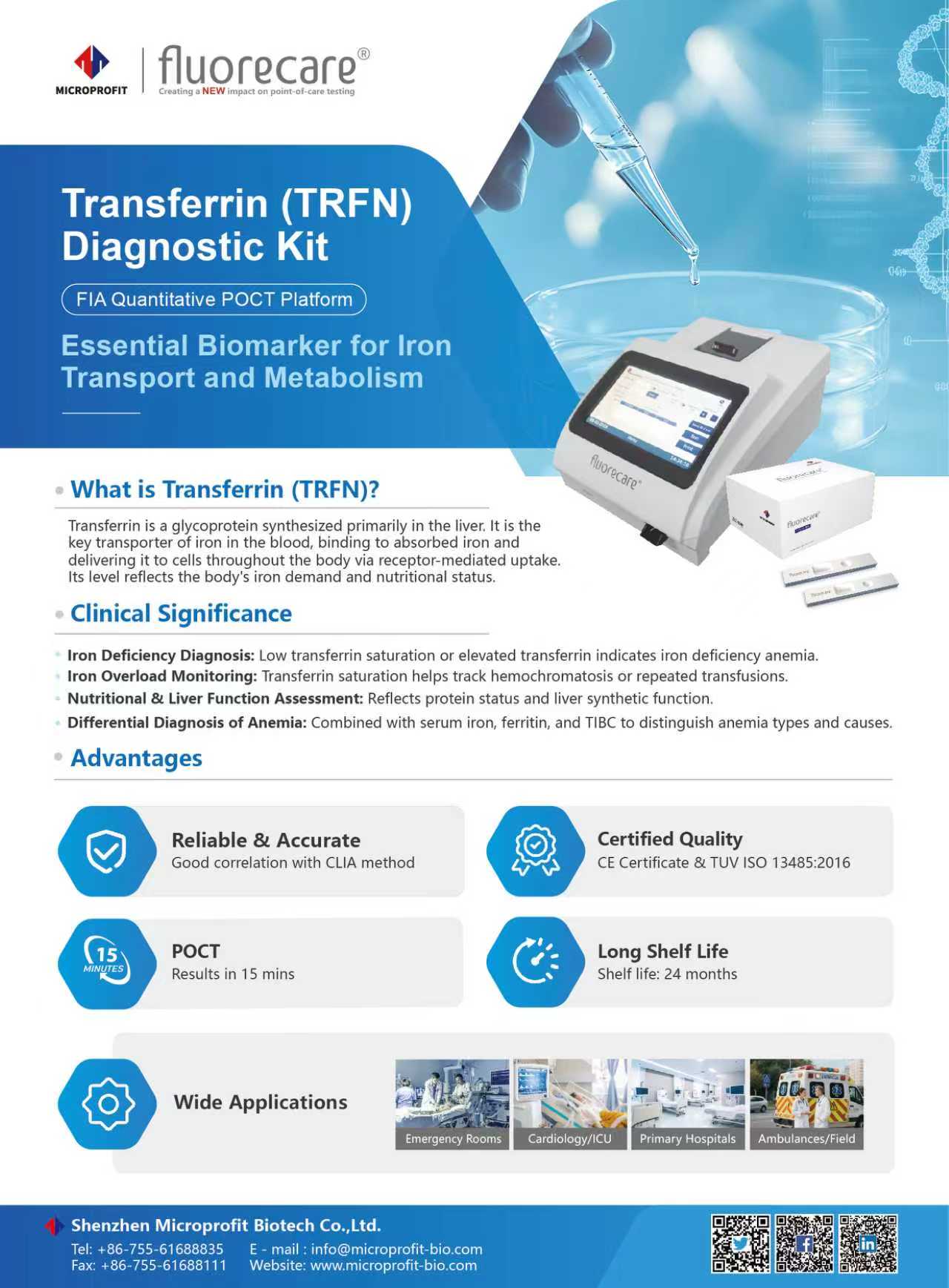
Transferrin (TRFN): Essential Biomarker for Iron Transport and Metabolism
Overview
Transferrin (TRFN) is a glycoprotein synthesized primarily in the liver, responsible for transporting iron throughout the body. It binds to iron absorbed from the intestine and delivers it to cells via receptor-mediated endocytosis, ensuring proper distribution for hemoglobin synthesis, cellular respiration, and enzymatic reactions.
Because transferrin concentration and saturation change according to the body’s iron status and nutritional condition, it serves as an essential biochemical indicator for iron metabolism and liver function.
Clinical Significance
1. Iron Deficiency Diagnosis
Transferrin testing is fundamental in diagnosing iron deficiency anemia (IDA).
-
Elevated serum transferrin or low transferrin saturation indicates iron deficiency, as the body increases transferrin synthesis to enhance iron binding capacity.
-
This makes TRFN measurement a sensitive tool for detecting early-stage iron depletion before anemia becomes clinically apparent.
2. Iron Overload Monitoring
In contrast, low transferrin levels or high transferrin saturation suggest iron overload conditions, such as hemochromatosis or repeated blood transfusions. Monitoring transferrin saturation provides valuable information for managing iron storage disorders.
3. Nutritional and Liver Function Assessment
Since transferrin is synthesized in the liver, its serum concentration also reflects protein nutritional status and hepatic synthetic function. Decreased levels may be observed in malnutrition, chronic liver disease, or inflammatory conditions.
4. Differential Diagnosis of Anemia
When combined with serum iron (SI), ferritin, and total iron-binding capacity (TIBC), transferrin helps distinguish between different anemia types—including iron deficiency anemia, anemia of chronic disease, and sideroblastic anemia—offering comprehensive insight into hematological status.
Analytical Advantages
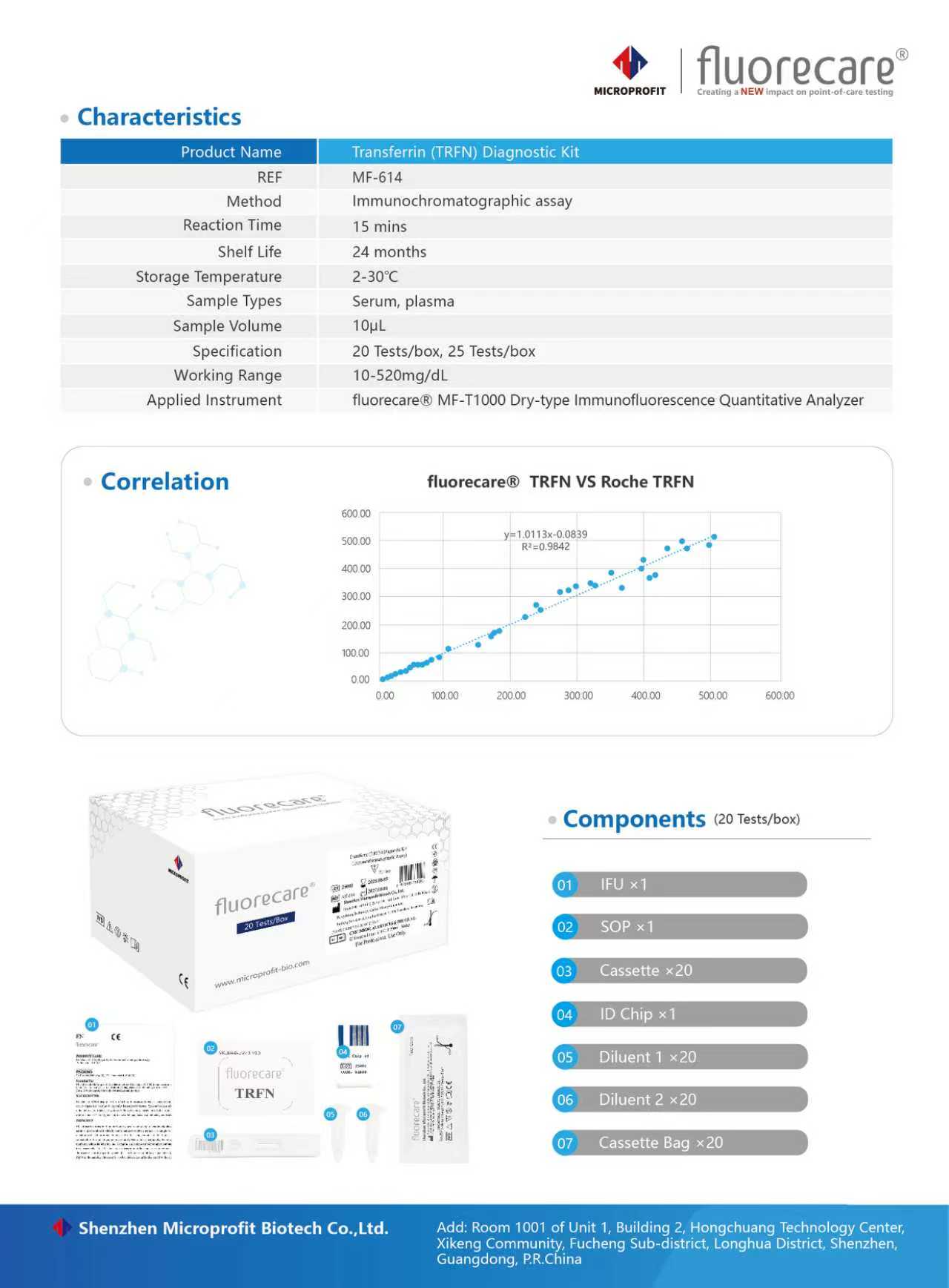
fluorecare®Transferrin (TRFN) Diagnostic Kit utilizing fluorescent immunoassay (FIA) or POCT (Point-of-Care Testing) technology provide rapid and quantitative analysis of transferrin concentration.
Key features include:
-
High sensitivity and precision for serum or plasma detection
-
Quantitative results within 15 minutes
-
Easy operation for clinical laboratories and near-patient testing
-
Suitable for use in hematology, internal medicine, and nutrition clinics
These capabilities make TRFN measurement a valuable addition to IVD diagnostic panels focused on iron metabolism and anemia evaluation.
Conclusion
As the primary iron-transporting protein, Transferrin plays a central role in maintaining iron homeostasis and metabolic balance. Quantitative transferrin testing supports accurate diagnosis of anemia, monitoring of iron overload, and evaluation of nutritional and hepatic function.
Its integration into clinical testing protocols enhances the precision and efficiency of iron metabolism assessment and contributes to improved patient management.